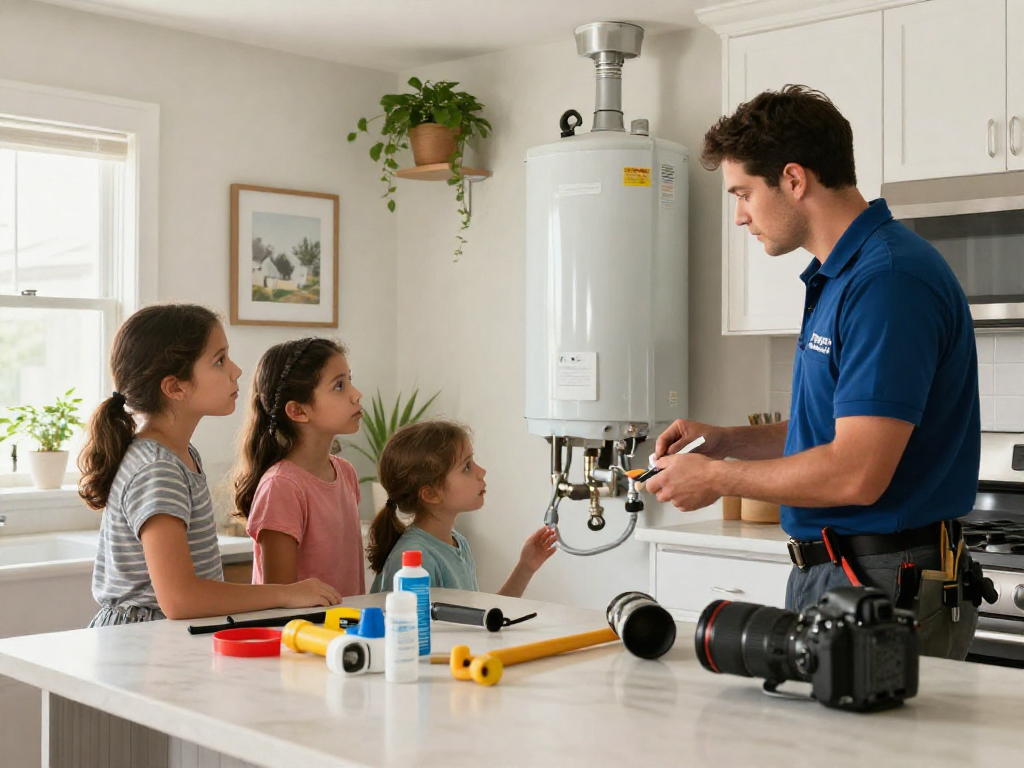
Understanding Water Heater Issues in Fort Worth
Water heaters are essential appliances in every Fort Worth home, providing hot water for daily activities such as bathing, cooking, and cleaning. However, like any mechanical device, they can encounter issues that require immediate attention. Understanding the common signs of water heater problems is crucial for homeowners to avoid extensive damage and costly repairs. When exploring options, water heater repair Fort Worth services can provide comprehensive insights and solutions tailored to your needs.
Common Signs Your Water Heater Needs Repair
Identifying the need for water heater repair can save homeowners from significant disruptions. Look for these telltale signs:
- Inconsistent Water Temperature: Fluctuating hot water temperature can indicate a malfunctioning thermostat or heating element.
- Leaks or Drips: Any pooling water around the base of the heater points to a potential leak that needs addressing.
- Strange Noises: Unusual sounds like popping or rumbling can signify sediment buildup inside the tank.
- Rusty Water: If hot water appears rusty, it could mean the anode rod is failing and needs replacing.
- Age of the Heater: Water heaters typically last 8-12 years, and older units are prone to issues.
Impact of Delaying Water Heater Service
Postponing repairs can lead to more severe problems over time. A minor leak can escalate to significant water damage, mold growth, or even a complete system failure. Moreover, inadequate heating can increase energy costs as your system works harder to compensate for the inefficiency.
Typical Problems with Water Heaters in Fort Worth
In Fort Worth, several specific water heater issues are prevalent due to local water quality and environmental factors:
- Hard Water Deposits: The mineral content in Fort Worth’s water can lead to excessive scaling inside heaters, affecting efficiency.
- Thermal Expansion Issues: Without proper expansion tanks, water heaters may become overpressurized, resulting in leaks or burst pipes.
- Improper Installation: Non-compliance with local codes during installation can lead to recurrent operational problems.
Choosing the Right Water Heater Repair Service
Selecting a qualified plumbing service is crucial for effective repairs. In Fort Worth, local experts can provide tailored services that consider the unique needs of the community.
Why Local Expertise Matters for Water Heater Repair Fort Worth
Choosing local repair services ensures familiarity with Fort Worth's building codes and climate-related issues. Local contractors can offer quicker response times and personalized service, which are vital for emergency repairs.
Key Questions to Ask Your Plumbing Service Provider
Before hiring a plumbing service, consider these important questions:
- What experience do you have with water heater repairs and installations?
- Can you provide references from previous clients?
- What warranties do you offer on parts and labor?
- Are you licensed and insured to operate in Fort Worth?
- How do you handle emergency service requests?
Comparing Emergency and Non-Emergency Repairs
Understanding the distinction between emergency and non-emergency repairs can impact your wallet. Emergency repairs typically come at a premium, while scheduled maintenance can save costs in the long run. Prioritize immediate responses for severe issues like leaks or lack of hot water.
Cost Considerations for Water Heater Repairs
Cost factors for water heater repairs may vary based on several elements, including part prices, labor, and the complexity of the issue.
Transparent Pricing for Water Heater Services
Reputable plumbing companies provide upfront pricing, allowing homeowners to understand what they are paying for before work commences. Ensure you request a detailed estimate that breaks down costs including labor and materials.
Factors Affecting the Cost of Repairs
Several factors can influence water heater repair costs:
- Type of Heater: Traditional tank systems tend to be less expensive to repair than tankless models.
- Severity of the Problem: Minor adjustments or part replacements are less costly compared to complete system failures.
- Location: Accessibility of the heater and surrounding plumbing can impact labor costs.
Understanding Replacement Versus Repair Costs
Sometimes, repair costs can approach the price of a new unit. Homeowners should weigh the long-term benefits of investing in a new energy-efficient model against the immediate fix of an existing one. Consider the age and condition of the unit when making this decision.
Best Practices for Water Heater Maintenance
Routine maintenance is essential in prolonging the life of your water heater. Here are effective strategies to keep your system running smoothly.
Routine Maintenance Tips to Avoid Emergency Repairs
Regular maintenance can help identify potential issues before they escalate. Consider these practices:
- Schedule annual inspections with a qualified technician.
- Flush the tank periodically to remove sediment buildup.
- Check the pressure relief valve to ensure it functions properly.
- Inspect the anode rod and replace it if significantly corroded.
- Adjust the thermostat setting to 120 degrees Fahrenheit to maximize safety and efficiency.
Common Misconceptions about Water Heater Care
Many homeowners hold misconceptions regarding water heater maintenance, such as the belief that water heaters require no maintenance. In reality, regular care is necessary to avoid costly failures.
Benefits of Regular Professional Inspections
Engaging a professional for routine inspections can help catch issues early, extend the lifespan of your unit, and ensure compliance with local codes. Regular assessments also allow for optimized performance and energy efficiency.
Future Trends in Water Heater Technology and Services
The landscape of water heater technology is evolving rapidly, particularly in response to environmental concerns and energy efficiency standards.
Energy Efficiency Improvements for Fort Worth Homes
Many homeowners are switching to high-efficiency models that significantly reduce energy consumption. Look for units with high Energy Factor (EF) ratings, as these indicate better efficiency performance.
Emerging Innovations in Water Heater Systems
New technologies such as smart thermostats and integrated tankless water solutions are gaining traction. These innovations allow homeowners to manage hot water usage more effectively, reduce energy bills, and enhance convenience.
Predicting Water Heater Changes for 2026 and Beyond
By 2026, water heater innovations may focus even more on sustainability and efficiency, potentially including solar-assisted systems and advanced heat pump technology. Homeowners should stay informed about these trends to make educated decisions about their units.
What should I do in a water heater emergency?
In the event of a water heater emergency, first shut off the water supply to mitigate damage. If there are signs of gas leaks or electrical hazards, evacuate the premises and contact emergency services.
How often should I service my water heater?
It’s recommended to have your water heater serviced at least once a year to ensure it operates efficiently and safely.
Are all water heater repairs covered by warranty?
Not all repairs are covered under warranty. Homeowners should review warranty documentation to understand coverage limitations.
What are the signs I need to replace my water heater?
Indications for replacement include age of the unit, frequent repairs, increased energy bills, and consistent issues like leaks or rust-colored water.
How can I improve my water heater's efficiency?
You can enhance efficiency by setting the thermostat appropriately, insulating the tank and pipes, and performing regular maintenance checks.