 admin
admin 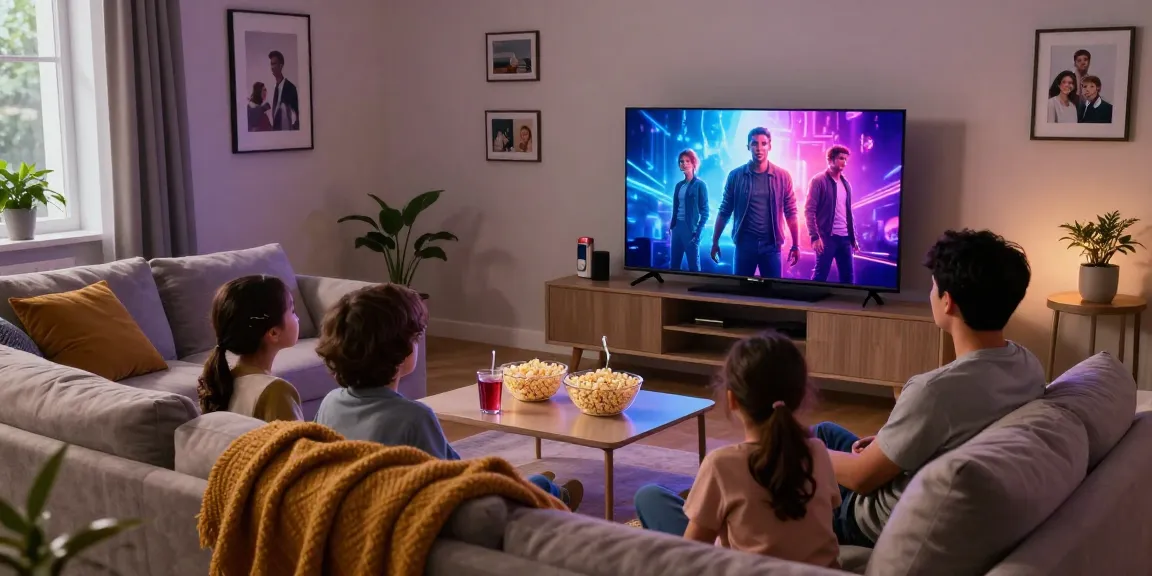
Understanding Mini LED Technology
In recent years, television technology has undergone significant advancements, leading to the rise of Mini LED TVs. These TVs combine the benefits of traditional LED backlighting with innovative miniaturization techniques, resulting in superior picture quality, better contrast ratios, and enhanced brightness. As consumers increasingly seek out the best viewing experiences, understanding what Mini LED technology entails becomes crucial. When exploring options, mini LED TV models offer a compelling choice for home entertainment setups.
What is Mini LED Technology?
Mini LED technology represents a breakthrough in display technology, where thousands of tiny LEDs are used as a backlight for LCD screens. This technology allows for much finer control over brightness and contrast compared to standard LED TVs. The small size of the Mini LEDs enables more dimming zones, which can significantly reduce blooming effects (light bleed around bright objects on dark backgrounds), resulting in richer and more detailed images. This technology provides a significant upgrade, enhancing both the viewing experience and the overall aesthetic of modern televisions.
Benefits of Mini LED TVs
- High Brightness Levels: Mini LED TVs can achieve exceptional brightness, making them suitable for well-lit rooms and improving visibility in various lighting conditions.
- Improved Contrast: With the capability to utilize many dimming zones, Mini LED TVs offer better contrast ratios, enhancing the depth of images.
- Energy Efficiency: These TVs often consume less power compared to traditional LED TVs due to their ability to turn off individual LEDs in dark scenes.
- Thin Design: Mini LEDs allow for slimmer TV designs, appealing to customers seeking sleek, stylish home entertainment options.
How Mini LED Compares to OLED and QLED
When considering display technologies, Mini LED finds itself in a competitive landscape alongside OLED and QLED. While OLED displays are known for their perfect blacks and infinite contrast due to individual pixel control, they typically come at a higher price point and can experience issues like burn-in. QLED TVs, on the other hand, utilize quantum dot technology for vibrant colors but may struggle with contrast levels when compared to Mini LED TVs. Mini LED technology, therefore, bridges the gap between these two technologies, delivering high brightness, excellent color accuracy, and improved contrast at a relatively accessible price.
Top Mini LED TV Models for 2026
As the popularity of Mini LED technology continues to grow, several models stand out in the competitive landscape of 2026. These televisions not only offer advanced features but also cater to a variety of budgets, ensuring that consumers have access to quality options.
Best Budget-Friendly Mini LED TVs
For those seeking an economical entry into the world of Mini LED, a few models have emerged as top contenders. For instance, the TCL 6-Series provides an excellent combination of performance and affordability, featuring vibrant colors and impressive brightness. Another viable option is the Hisense U6H, which offers quality performance at a price point that is accessible to many users.
Premium Mini LED TV Recommendations
On the higher end of the spectrum, premium Mini LED models like the Samsung QN900A and LG QNED90 showcase the technology’s full potential. The Samsung model features an 8K resolution with a stunning design, ideal for cinephiles and gamers alike. The LG QNED90, with its advanced color accuracy and sleek design, is another strong contender for those who want top-tier performance.
Comparative Reviews of 2026’s Top Models
In 2026, reviews of Mini LED TVs reveal subtle differences in performance, design, and usability. For example, while the LG QNED series emphasizes color and brightness, the Sony Z9J stands out with superior upscaling technology, making it an excellent choice for media enthusiasts. Comparative analysis of these models helps consumers choose based on their specific viewing habits and preferences.
Choosing the Right Size for Your Space
Selecting the appropriate size for your Mini LED TV depends on various factors, including room size, viewing distance, and personal preferences. Understanding how to optimize your viewing experience begins with measurements.
How to Measure Your Viewing Distance
A general rule of thumb when choosing a TV size is to sit at a distance of 1.5 to 2.5 times the diagonal screen size. For instance, if you are considering a 65-inch Mini LED TV, you would want your seating to be approximately 8 to 13.5 feet away for optimal viewing. This distance enhances clarity and immersion, allowing viewers to appreciate the technology’s capabilities fully.
Popular Mini LED TV Sizes in 2026
In 2026, Mini LED TVs are available in a variety of sizes ranging from 43 inches up to 85 inches and beyond. The most popular sizes among consumers include 55, 65, and 75 inches, catering to different room dimensions and viewing preferences. As more people invest in home entertainment systems, the demand for larger screen sizes has notably increased.
Optimizing Your Room Layout Around a Mini LED TV
A well-planned room layout can significantly enhance your viewing experience. Ensure that your TV is at eye level when seated and that there are no obstructions between your seating area and the screen. Additionally, consider lighting conditions—positioning the TV away from direct sunlight can help prevent glare, allowing for a clearer picture.
Enhancing Your Mini LED TV Experience
To truly enjoy your Mini LED TV, pairing it with high-quality audio systems and optimizing your streaming services can elevate your experience dramatically.
Best Sound Systems to Pair with Your Mini LED TV
Investing in a good sound system is essential for an immersive viewing experience. Soundbars, such as the Sony HT-A7000 or the Bose Smart Soundbar 900, provide exceptional sound quality and are easy to integrate into any home setup. For audiophiles, a full surround sound system can bring cinematic audio to your living room.
Streaming Services and Compatibility Considerations
Most Mini LED TVs support popular streaming services like Netflix, Amazon Prime Video, and Disney+. It’s crucial to check compatibility with your favorite platforms, as some TVs may support 4K content better than others. Look for models with built-in apps and user-friendly interfaces to enhance your streaming experience.
Smart Features: What to Look For
Smart features are an integral part of modern TVs. Look for Mini LED models that offer voice control capabilities, screen mirroring, and various connectivity options. Connectivity is key—ensure your TV can sync with your other devices, like smartphones and tablets, to make the most of its capabilities.
Future Trends in Mini LED Technology
The future of Mini LED technology looks promising, with several emerging trends that could revolutionize the way we experience television in the coming years.
Emerging Features for Next-Generation Mini LED TVs
Next-generation Mini LED TVs are expected to incorporate features such as enhanced AI capabilities for picture optimization, support for higher frame rates, and more advanced gaming features, enabling smoother gameplay and better visuals. Additionally, improvements in processing power will likely streamline user experiences.
Sustainability in Mini LED Manufacturing
As consumers grow more environmentally conscious, manufacturers are likely to focus on sustainable practices in Mini LED production. This may involve using recyclable materials and reducing energy consumption during the manufacturing process, ensuring that advanced television technology aligns with eco-friendly values.
Consumer Insights into Future Buying Patterns
Consumer insights indicate a growing interest in smart home integration with television systems. As more households adopt smart devices, the demand for Mini LED TVs that seamlessly connect with home automation systems will increase. Brands that prioritize this integration may gain a competitive edge in the marketplace.